

The interest is there, but entering unprepared can cost you dearly. Since early 2026, the international market has looked at Venezuela seriously again, and several energy firms began evaluating investment, operation, and expansion scenarios. The window is opening, but those who arrive late with the wrong business plan may end up paying the cost of the learning curve others have already gone through.
This guide does not seek to convince anyone to enter. It seeks to ensure that, if a company decides to do so, it understands exactly what it will face on the operational, contractual, and logistical ground.
The new framework: what really changed
Regulatory changes and the new geopolitical context have reactivated interest in oil projects in Venezuela. For many international players, the possibility of participating in production, field recovery, and commercialization is back on the table.
Eso resuelve parcialmente uno de los problemas históricos más complejos: la dificultad para monetizar producción de forma ágil. Sin embargo, the real risk does not disappear with a legal authorization or better political signals. Antes de firmar cualquier contrato, una revisión legal con asesoría especializada en derecho de hidrocarburos venezolano sigue siendo obligatoria.
The problem paper does not solve: real operations
El mayor error que cometen muchas empresas extranjeras en mercados como Venezuela es pensar que el desafío principal es jurídico o financiero. No lo es. It is operational.
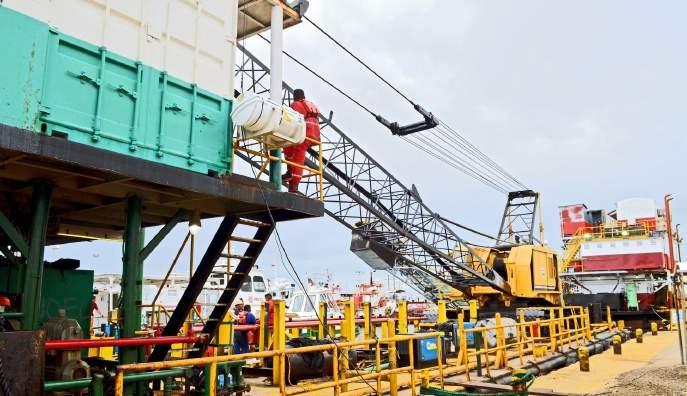
Venezuelan infrastructure, from wells and pipelines to flow stations, electrical systems, and treatment plants, has been accumulating wear for years. Even in medium-sized projects, the condition of the asset found in the field is usually worse than what the financial model projects from outside.
This does not mean there is no opportunity. It means the opportunity only makes sense if the company enters with partners who know the terrain, the real execution timelines, and the right way to solve unforeseen issues without stopping operations.
Why a local partner is not a luxury
No se trata de sumar un socio local para cumplir un requisito administrativo. Se trata de contar con un aliado que pueda responder preguntas que no aparecen en ningún due diligence de escritorio.
Some of those questions are decisive:
- ¿Cuál es la capacidad real, no nominal, de la infraestructura de transporte en la zona?
- Which local machinery and equipment suppliers can you count on when something fails in the field?
- How does logistics change between a lacustrine and a land-based operation?
- What certifications does personnel need to operate in that specific asset?
Un contratista local con historial en el área aporta algo que no se compra rápido: speed of response, technical judgment, and contextual knowledge.
The model that works: phased start-up
Companies that best adapt to high-risk markets don't enter with giant projects on day one. They arrive with pilots, learn quickly, and scale when they have real visibility on costs, timelines, and productivity.
A reasonable entry structure usually looks like this:
- Asset evaluation (1 to 3 months): technical visit, production history review, existing infrastructure audit, and identification of wells with the best cost-return ratio.
- Operational pilot (3 to 6 months): limited intervention with integrated local contractor, production baseline, cost per barrel, and cycle times.
- Controlled scaling: program expansion with real metrics and clear contractual clauses.
That is not conservatism. It is operational discipline.
What the Venezuelan market demands most today
Based on the current condition of the fields and infrastructure, these are some of the most sought-after capabilities:
- Equipos de maquinaria pesada con disponibilidad inmediata para movilización.
- Servicios de instrumentación y SCADA para restaurar monitoreo en tiempo real.
- Mantenimiento de transformadores y variadores de frecuencia para sostener levantamiento artificial.
- Logística de transporte especializado: vacuum, volteo, cisternas y grúas con operadores certificados.
These needs are not complementary. They are what determine whether an operation starts or remains stuck at the intention stage.