
A field that produces but you cannot measure is a field you do not control. That is one of the most underestimated problems in reactivation programs: wells are repaired, pumps are reactivated, and then nobody knows for certain how much is flowing, from where, or when something is failing until it is too late.
In Venezuelan fields with decades of deterioration, instrumentation and control systems are usually the great forgotten items of the budget. And they are precisely what determines whether everything else can be sustained technically, commercially, and operationally.
What is SCADA and why it matters so much in mature fields
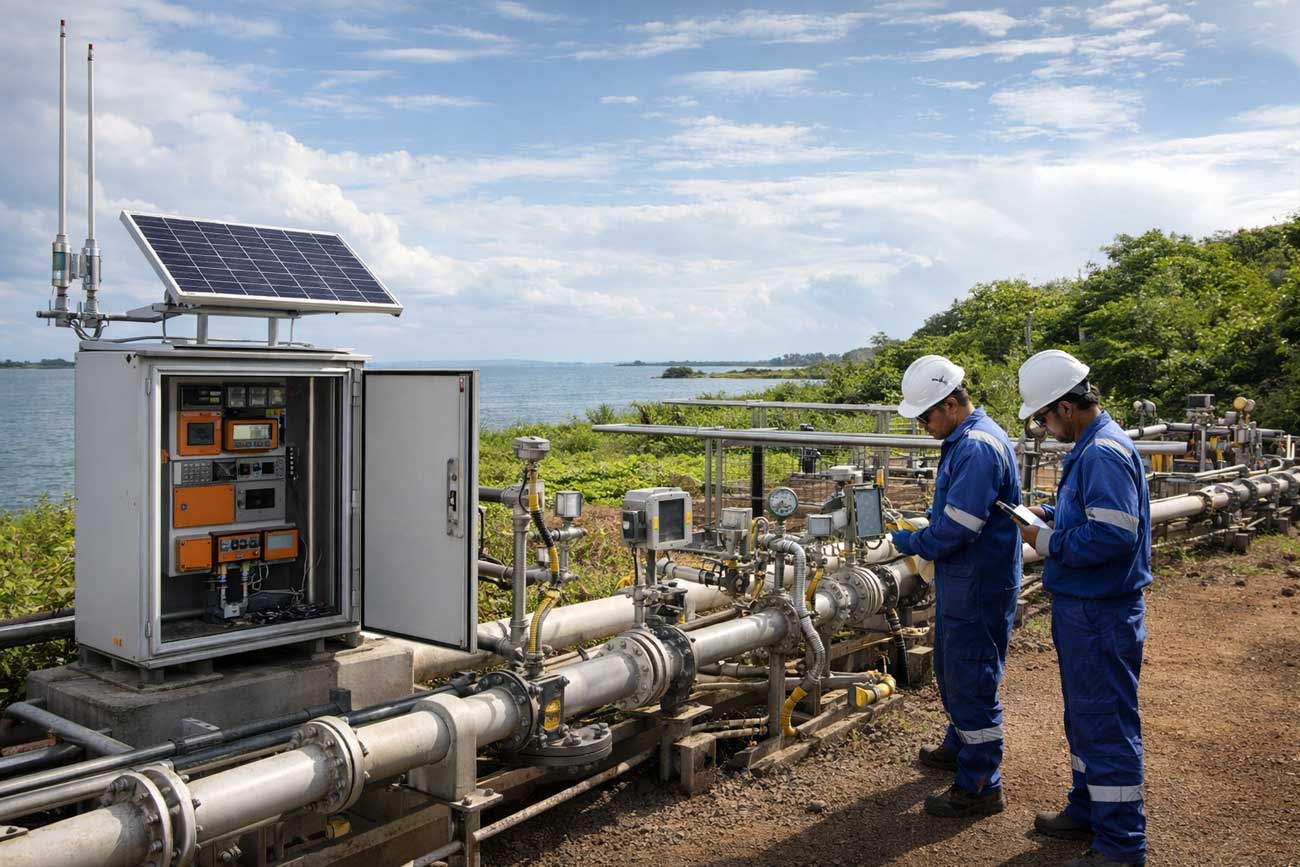
SCADA, or Supervisory Control and Data Acquisition system, is the technology that allows operators to monitor in real time the critical variables of a field: wellhead pressure, flow in collection lines, process temperature, rotating equipment status, and storage tank levels.
In a new field with modern infrastructure, a SCADA system works almost transparently. In a deteriorated Venezuelan field, where cables are damaged, sensors haven't been calibrated in years, and PLCs were never updated, the reality is different: many critical decisions are made with estimates or delayed data.
That is not production management. It is guesswork.
The three most common deterioration scenarios
1. Uncalibrated sensors
Pressure and flow transmitters require periodic calibration. In fields that were inactive or with reduced maintenance, it is common to find sensors reporting erroneous values. The operator believes the line is fine, but the meter has been out of specification for months.
2. Broken communication systems
SCADA depends on data traveling from the field to the control room. In Venezuela, industrial communication networks have deteriorated due to lack of maintenance. The result is information islands: data that stays in the local PLC but never reaches the central system.
3. Flow stations without reliable measurement
Flow stations are the points where production is measured for reporting, balance, and optimization purposes. Without reliable instrumentation at these stations, the numbers management receives are approximations, and that compromises all decision-making.
The correct restoration sequence
It's not about changing everything at once. That's expensive and, in many cases, unnecessary. Restoration must be sequential and prioritized.
- Instrumentation audit: map what exists, what works, what can be rehabilitated, and what must be replaced.
- Prioritization by operational impact: recover first the measurement points that most affect daily decisions.
- Rehabilitation or replacement: repair or replace critical equipment such as sensors, drives, and transformers.
- Integration into the supervision system: ensure data reaches the central system reliably.
- Operational personnel training: a SCADA that nobody knows how to interpret is an expense, not an investment.
Technology vs. reality in Venezuela
There is a real temptation to digitize everything immediately: IoT, advanced analytics, predictive maintenance, and artificial intelligence. But those technologies only generate value when the foundation is healthy.
Intentar implementar análisis predictivo sobre sensores mal calibrados y comunicaciones intermitentes no genera inteligencia. Genera ruido. La aproximación correcta para el contexto venezolano es construir primero una capa robusta de medición, supervisión y confiabilidad operativa.